

A 140-Year Marketing Code: Secrets of the Coca-Cola Museum and the Brand’s Staying Power in Retail
In October 2026, Alexander Shubin, Co-Founder of Pricerium, had the opportunity to visit Atlanta and the World of Coca-Cola museum. Fresh from the trip, we are sharing the story of the brand along with photos Alexander provided from his visit.
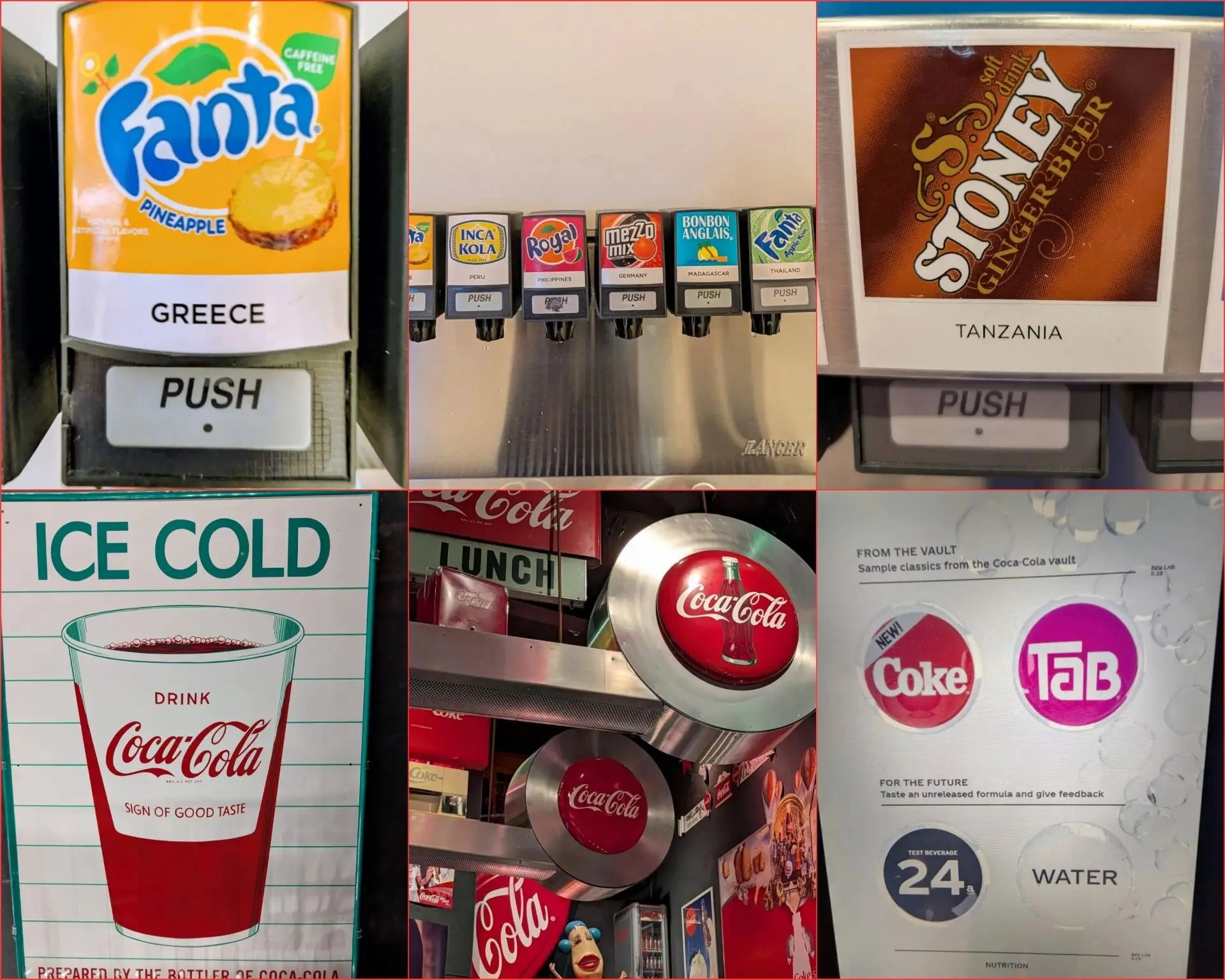
🥤 Coca-Cola: 140 Years and Still the Second Word After “OK”
In 2026, the legendary brand celebrates a major milestone: exactly 140 years ago, on May 8, 1886, the first glass of Coca-Cola was sold for 5 cents at Jacobs’ Pharmacy in Atlanta. But behind this simple date lies a story involving a pharmacy syrup, a bank vault, and a marketing legend known today by almost every consumer on the planet.
💊 The beginning: a medicine that became a beverage
Pharmacist John Pemberton created a syrup based on coca leaves and kola nuts. It was initially positioned primarily as a remedy for “nervous disorders” and other ailments rather than as a soft drink for enjoyment. In its first year, only around 9 servings a day were sold, business was so difficult that Pemberton sold the rights to the drink in parts. It was only in 1888 that Asa Candler acquired the formula and founded The Coca-Cola Company, turning a pharmacy syrup into a global symbol.
🔐 The famous vault: why the recipe became a legend
The most intriguing part of the story for consumers is the formula itself. For a long time, the recipe was not written down: only a few people knew it. But in 1919, when the company was being sold to investors, Candler’s son wrote the formula down on paper, and it was placed in a vault at Guaranty Bank in New York as collateral for a loan.
After the debt was repaid in 1925, the recipe returned to Atlanta and remained at Trust Company Bank (later SunTrust) for 86 years until 2011. Only then was it transferred to the World of Coca-Cola museum, where a special vault was built for it.
Visitors can see the vault, but not its contents: the original handwritten formula remains a secret. For consumers, this is more than just marketing. It is a reminder that even in an age of total transparency, a brand can still keep something private and that mystery helps fuel interest in the product.
🌍 “The second word after OK”: fact or a great marketing legend?
The claim that Coca-Cola is the second most recognized word in the world after “OK” is not based on rigorous linguistic research. It is better understood as a marketing legend that has illustrated the power of the brand for decades.
Still, the figures associated with the brand are impressive: around 94% of the world’s population recognize the red-and-white logo, while approximately 1.9 billion servings of the beverage are sold worldwide every day.
For consumers, this means one simple thing: Coca-Cola is not just a soft drink, but part of a global cultural code recognized even in places where English is not spoken.
🎅 A few more facts that may change the way you see the brand
- Santa Claus in his modern form was shaped in large part by Coca-Cola advertising: from 1931 to 1964, artist Haddon Sundblom created images for the company of a warm, cheerful Santa dressed in red, and these images became deeply embedded in popular culture.
- The Contour Bottle with its distinctive, often described as feminine shape was developed in 1915 so that Coca-Cola could be recognized by touch and even in the dark.
- Coca-Cola was the first carbonated soft drink in space: astronauts tested it aboard the Challenger space shuttle.
- In the USSR, Coca-Cola first appeared alongside American troops at the end of World War II, while official licensed production began only in 1971 so for many older consumers, the brand is associated with nostalgia and the scarcity of Western products.
💬 What Does This Mean for Us as Consumers?
Coca-Cola’s 140th anniversary is more than just a date on the calendar. It is the story of how a product that started on a pharmacy shelf, selling just nine glasses a day, became part of the everyday lives of billions of people.
The secret vault, the “second word after OK,” Santa Claus, and space travel are all elements of one powerful narrative that the brand has carefully cultivated for decades.
For consumers, it is a good reminder that we choose more than just a taste - we also choose the story that comes with every bottle.
Never miss an insight. We'll email you when new articles are published on this topic.
Similar articles


Bring your toughest pricing questions?
Our experts will help you find the best solution for your needs.